Introduction
Collaboration across geographically distributed teams has become a defining feature of modern financial institutions. As organizations expand globally, establish shared service centers, and integrate specialized functions across multiple regions, professionals increasingly work with colleagues they may never meet in person. While this structure enhances scalability, operational coverage, and access to diverse expertise, it also introduces unique coordination challenges. Effective cross-regional collaboration requires clarity of communication, mutual understanding of workflows, and the ability to interpret information consistently across time zones, systems, and cultural environments.
Distributed teams operate within complex processes that span risk, finance, operations, compliance, technology, and product areas. Transactions initiated in one region may be validated, reconciled, or monitored by teams located thousands of miles away. For these functions to run smoothly, professionals must develop a disciplined approach to collaboration—one that accommodates differences in working hours, communication styles, system responsibilities, and institutional context.
This article explores how geographically distributed teams can collaborate effectively, why cross-regional alignment strengthens governance and operational stability, and what practices help professionals communicate, coordinate, and interpret information in shared workflows.
Building a Shared Understanding of Roles, Processes, and Responsibilities
Geographically distributed teams frequently rely on one another to complete interconnected tasks. Without a shared understanding of expectations, even small misunderstandings can create delays, breaks, or inconsistent interpretations. Collaboration improves when teams invest time in understanding each other’s roles and responsibilities, even if the workflows are region-specific.
Professionals benefit from clarifying:
- Which team owns each step of the process and where handoffs occur
- What information the receiving team needs to complete their work
- How timing cutoffs differ across regions and systems
- When exceptions require immediate escalation versus next-day follow-up
- Which nuances are specific to a local market, product, or regulatory requirement
This shared understanding allows distributed teams to interpret outputs more accurately and anticipate how upstream activities influence downstream work. It also reduces unnecessary friction by ensuring each group appreciates how their responsibilities align with broader institutional processes. Teams that establish this alignment early build stronger connectivity across regions and reduce the likelihood of operational issues caused by misinterpretation or assumptions.
Managing Time-Zone Dependencies and Scheduling Realities
Time-zone differences require professionals to think differently about coordination. A request answered immediately in one region may not be reviewed until several hours later in another. Teams that account for this temporal separation develop smoother processes and minimize delays.
Effective time-zone collaboration often involves:
- Establishing clear cutoffs for daily tasks and deliverables
- Defining when work must be handed off to another region for same-day completion
- Identifying tasks that can be completed asynchronously without slowing workflow
- Structuring communications to ensure clarity outside of real-time discussions
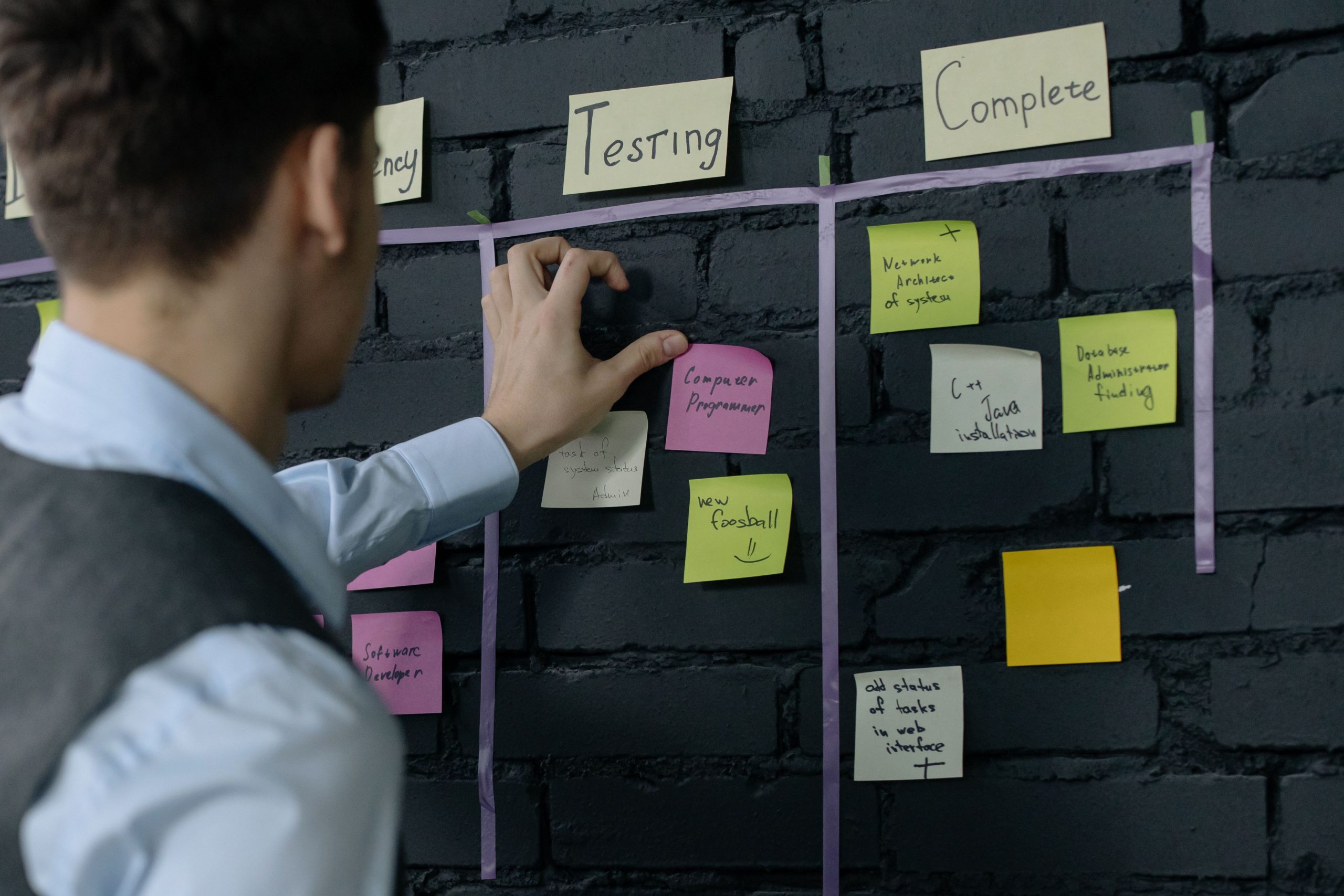
- Creating shared calendars or workflow trackers that reflect cross-regional timelines
Distributed teams become more effective when they respect each other’s working hours and plan interactions accordingly. Time-zone sensitivity reduces unnecessary escalation, avoids misaligned expectations, and helps teams prepare for periods of heightened activity such as quarter-end closes, market volatility, or regulatory deadlines.
Professionals who internalize these constraints become better at organizing their workloads and anticipating how timing affects quality, accuracy, and execution. When time-zone differences are managed thoughtfully, global teams operate more cohesively and efficiently.
Strengthening Communication Across Diverse Collaboration Styles
Communication styles can vary widely across regions due to cultural norms, institutional history, or team preferences. Distributed teams thrive when they adopt communication practices that promote clarity, consistency, and mutual understanding.
Professionals can strengthen communication by focusing on:
- Writing messages that are structured, complete, and unambiguous
- Documenting decisions, rationales, and expectations to reduce future uncertainty
- Asking clarifying questions to avoid assumptions
- Explaining context when sharing information with teams unfamiliar with local processes
- Proactively identifying when information may be misinterpreted due to terminology differences
Teams benefit from establishing shared communication norms, such as preferred channels (email, chat, ticketing systems), expectations around response times, and formatting standards for escalations or status updates.
Clear communication reduces the risk of misinterpretation, especially when teams cannot rely on informal in-person conversations to resolve ambiguity. This clarity supports smoother workflow execution, fewer exceptions, and more consistent decision-making across regions. Professionals who excel at communication across distributed teams often build reputations as reliable partners, strengthening trust and reducing friction across the organization.
Developing Workflow Transparency Through Shared Tools and Documentation
Collaboration across regions improves when teams use shared tools that support visibility into workflows, responsibilities, and status updates. Transparency reduces unnecessary follow-up, prevents repeated questions, and allows teams to monitor progress without requiring constant synchronous communication.
Effective transparency practices include:
- Maintaining shared trackers, dashboards, or workflow tools
- Documenting process steps, ownership, and expected timelines
- Using common templates for reporting or escalation
- Ensuring documentation reflects the most current operational reality
- Providing references or explanations for complex or region-specific processes
Distributed teams that rely on consistent tools and documentation avoid discrepancies that arise when information is stored in personal drive folders or communicated informally. This reduces operational risk and ensures processes remain stable even when staffing changes occur across markets.
Workflow transparency also supports governance. Clear documentation enables internal and external stakeholders to understand how responsibilities are structured across regions, how activities are monitored, and how teams coordinate actions. Institutions benefit from this stability, especially during periods of heightened regulatory scrutiny or system transformation.
Strengthening Problem-Solving and Escalation Across Regions
Distributed teams frequently collaborate to resolve breaks, exceptions, booking issues, or data discrepancies. Effective escalation becomes essential when timelines are compressed or when upstream actions impact multiple regions. Teams that understand how to escalate issues thoughtfully and consistently contribute to a more resilient operating environment.
Professionals can support cross-regional escalation by:
- Describing the issue clearly, including what has already been tested
- Providing supporting evidence such as screenshots, logs, or sample records
- Listing potential root causes considered and ruled out
- Stating the level of urgency and whether financial or reporting impacts exist
- Tagging or notifying the correct regional team based on ownership
When escalations follow common standards, teams can respond more efficiently and avoid misunderstandings that arise from incomplete or ambiguous messages.
Cross-regional collaboration also improves when teams discuss recurring issues together, identify where upstream misalignments occur, and agree on long-term solutions rather than repeated temporary fixes.
This problem-solving alignment strengthens institutional resilience by ensuring that operational issues are addressed holistically—not in isolation within individual regions.
Enhancing Institutional Resilience Through Cross-Regional Coordination
Geographically distributed teams play a central role in maintaining operational continuity. Their ability to coordinate across time zones and processes ensures that critical activities—settlements, reconciliations, risk reporting, data controls, and governance routines—continue around the clock. When collaboration is structured and transparent, global teams become a source of institutional stability.
Cross-regional coordination enhances resilience by:
- Reducing single points of failure through shared ownership
- Allowing round-the-clock support for time-sensitive processes
- Enabling faster identification of exceptions and anomalies
- Supporting contingency planning during outages or market stress
- Enhancing data quality through shared review and validation
Professionals who understand these dynamics become more adept at explaining how distributed teams contribute to institutional safety and soundness. They also recognize how global collaboration supports readiness for regulatory examinations, technology migrations, and business expansions. Institutions with strong cross-regional collaboration frameworks are better positioned to manage uncertainty, adapt to change, and maintain governance integrity across all markets in which they operate.
Conclusion
Collaboration across geographically distributed teams is now a core feature of institutional life in risk, finance, operations, and governance environments. Effective cross-regional coordination depends on clear communication, shared understanding of responsibilities, thoughtful management of time-zone dependencies, and transparent workflows. When teams develop disciplined collaboration practices, they strengthen operational stability, support governance, and reduce the likelihood of operational failures.
As organizations grow more globally interconnected, professionals who understand how to collaborate across regions will play essential roles in supporting institutional resilience. The ability to communicate clearly, anticipate cross-regional dependencies, and coordinate effectively across time zones becomes not just a practical skill, but a foundational competency for the stability of the institution as a whole.
This article is provided solely for informational and educational purposes. It does not describe any institution-specific processes, does not constitute professional or regulatory advice, and should not be interpreted as guidance on the management of internal governance or decision-making frameworks.
Stay Ahead
Access informational and educational resources. Subscribe to the Vault Newsletter for curated materials, learning frameworks, developmental tools, and early previews of upcoming releases.