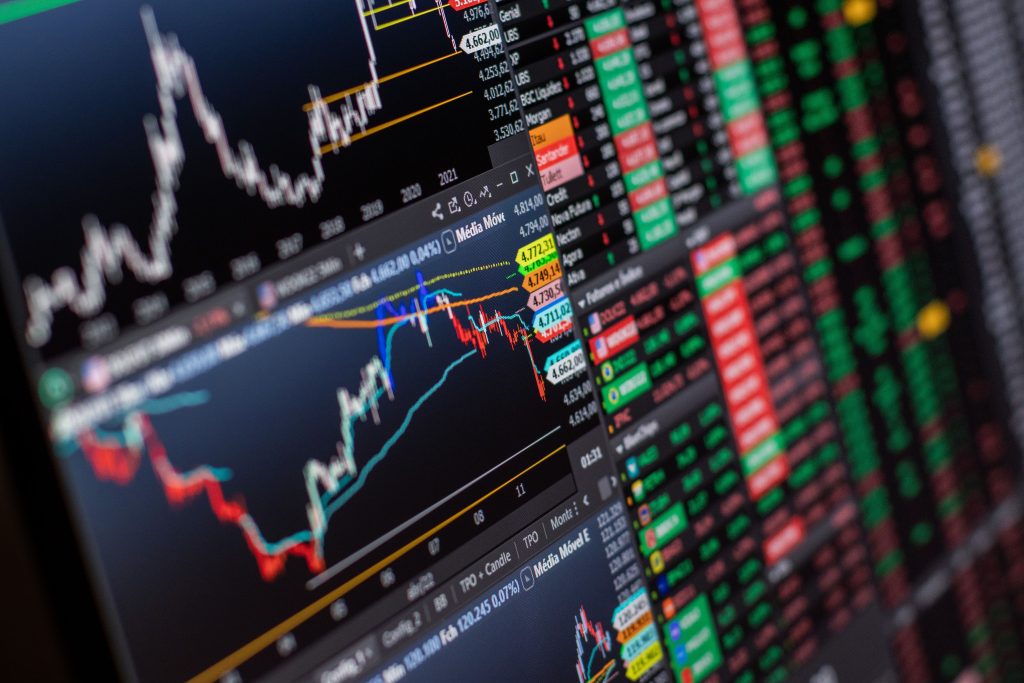
Understanding Global Bond Markets: Government, Corporate, and Sovereign Debt Explained
Introduction Global bond markets represent one of the largest and most important segments of the international financial system. Every day, […]

Introduction Global bond markets represent one of the largest and most important segments of the international financial system. Every day, […]

Introduction When people think about financial markets, stock markets often receive the most attention. Headlines frequently focus on equity indexes,

Introduction When discussing the world’s leading financial centers, cities such as New York and London often dominate the conversation. However,

Introduction When people think about major North American financial centers, New York often receives the most attention. However, Toronto has

Introduction For more than a century, Switzerland has been recognized as one of the world’s most influential financial centers. Although

Introduction Every financial institution establishes a Risk Appetite Framework to define the level and types of risk it is willing

Introduction Every financial institution makes decisions that involve accepting some level of risk. Whether extending credit to borrowers, launching new

Introduction Financial institutions continuously monitor a wide range of information that may influence their reputation. Customer complaints, operational incidents, regulatory

Introduction Reputation is one of the most valuable assets a financial institution possesses. While organizations carefully monitor financial performance, capital

Introduction A financial institution’s reputation is one of its most valuable assets. While capital, liquidity, technology, and operational capabilities are