Introduction
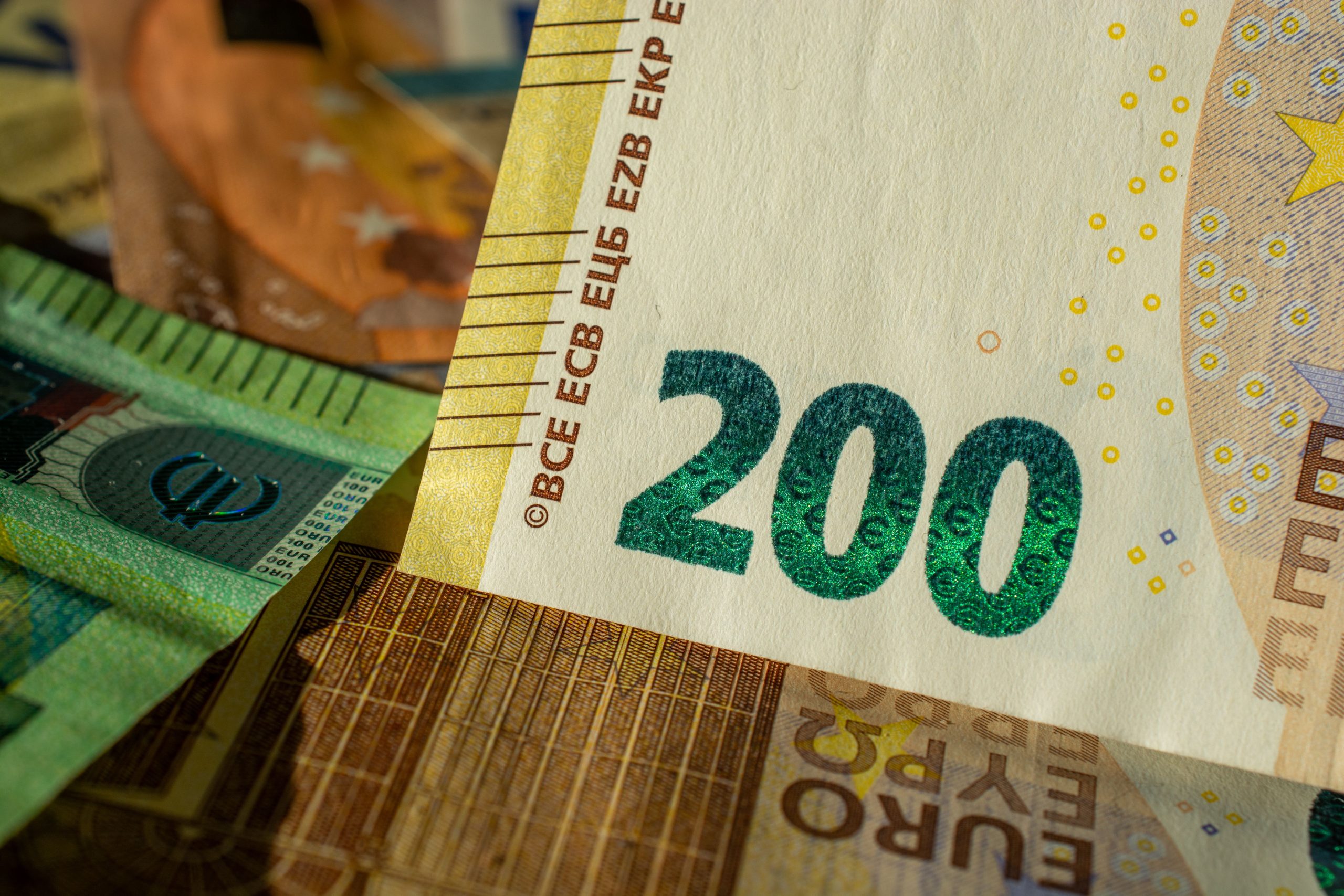
The Foreign Exchange (FX) market is one of the largest and most active financial markets in the world. Every day, trillions of dollars’ worth of currencies are exchanged to support international trade, global investment, tourism, cross-border business activity, and financial market transactions. Unlike stock exchanges that operate within specific countries or regions, the foreign exchange market functions continuously across major financial centers, allowing participants to trade currencies nearly twenty-four hours a day during the business week.
Although many people associate the FX market with currency traders, its importance extends far beyond trading desks. Multinational corporations use foreign exchange markets to manage international business operations, banks facilitate currency transactions for clients, institutional investors hedge overseas investments, and central banks monitor currency markets as part of broader monetary policy objectives.
For professionals pursuing careers in banking, treasury, risk management, capital markets, asset management, or corporate finance, understanding how foreign exchange markets operate provides an important foundation for understanding the broader global financial system. Because international business increasingly involves multiple currencies, FX markets influence virtually every area of modern finance.
What Is the Foreign Exchange Market?
The Foreign Exchange market—commonly referred to as the FX market or forex market—is the global marketplace where currencies are bought and sold.
Rather than trading ownership in companies or purchasing debt securities, participants exchange one currency for another. Every foreign exchange transaction therefore involves a currency pair, with one currency being purchased while another is simultaneously sold.
Examples of common currency pairs include:
- EUR/USD (Euro / U.S. Dollar)
- USD/JPY (U.S. Dollar / Japanese Yen)
- GBP/USD (British Pound / U.S. Dollar)
- USD/CAD (U.S. Dollar / Canadian Dollar)
- AUD/USD (Australian Dollar / U.S. Dollar)
- USD/CHF (U.S. Dollar / Swiss Franc)
Exchange rates fluctuate continuously as market participants respond to changing economic conditions, interest rates, geopolitical developments, and investor sentiment.
Because currencies facilitate international commerce and investment, the FX market serves as one of the foundational components of the global financial system.
Why Foreign Exchange Markets Exist
Foreign exchange markets exist because countries use different national currencies.
Whenever individuals, businesses, governments, or investors conduct financial activities across borders, they frequently need to convert one currency into another.
Examples include:
- International trade
- Overseas investments
- Tourism
- Cross-border acquisitions
- Global supply chains
- Foreign direct investment
- International lending
- Portfolio diversification
Without foreign exchange markets, international commerce would become significantly more complex because organizations would struggle to exchange currencies efficiently.
The FX market provides the liquidity necessary to support these transactions while helping facilitate the movement of capital throughout the global economy.
The Foreign Exchange Market Operates Around the Clock
Unlike many stock exchanges that operate during fixed trading hours, the FX market functions almost continuously throughout the business week.
As one major financial center closes, another opens, creating a global trading cycle that follows the world’s major financial hubs.
Trading activity generally moves between:
- Sydney
- Tokyo
- Singapore
- Hong Kong
- London
- New York
This nearly continuous operation allows multinational corporations, banks, institutional investors, and governments to manage currency exposures across different time zones.
Because economic news can occur at any time, continuous market activity also helps participants respond more efficiently to changing global conditions.
Who Participates in FX Markets?
The foreign exchange market includes a wide range of participants with different objectives.
Some exchange currencies to facilitate commercial activity, while others trade currencies for investment, hedging, or liquidity management purposes.
Major participants include:
- Commercial Banks
- Investment Banks
- Central Banks
- Multinational Corporations
- Asset Managers
- Pension Funds
- Hedge Funds
- Sovereign Wealth Funds
- Insurance Companies
- Governments
- Importers and Exporters
Retail investors also participate in certain areas of the foreign exchange market, although institutional participants account for a significant portion of overall trading activity.
The diversity of market participants contributes to the depth and liquidity that characterize global FX markets.
Why Exchange Rates Change
Currency values constantly fluctuate as investors evaluate changing economic conditions around the world.
Unlike fixed prices established by governments, most exchange rates respond dynamically to market supply and demand.
Numerous factors may influence currency movements, including:
- Interest rates
- Inflation
- Economic growth
- Employment data
- Central bank policy
- Political developments
- Geopolitical events
- Trade balances
- Investor sentiment
- Market expectations
Because these factors evolve continuously, exchange rates can change throughout the trading day as new information becomes available.
Financial institutions closely monitor these developments because currency movements affect international investments, corporate earnings, and global financial markets.
Spot, Forward, and Swap Transactions
Foreign exchange markets support several different transaction types depending on the needs of market participants.
Spot Transactions
Spot transactions involve exchanging currencies at the current market exchange rate, with settlement typically occurring within a short period.
Forward Contracts
Forward contracts allow two parties to agree on an exchange rate today for a currency transaction that will occur at a future date.
These contracts help organizations reduce uncertainty associated with future exchange rate movements.
Foreign Exchange Swaps
FX swaps combine two currency exchanges occurring at different settlement dates.
Financial institutions frequently utilize swaps to support liquidity management, funding strategies, and short-term financing activities.
Although these products differ in complexity, each serves an important role within global foreign exchange markets.
Why Businesses Care About FX Markets
Foreign exchange markets are essential for multinational corporations operating across multiple countries.
A company headquartered in one country may manufacture products in another, purchase raw materials elsewhere, and sell finished goods globally.
As a result, businesses frequently generate revenues and incur expenses in different currencies.
Currency fluctuations can therefore influence:
- Revenue
- Operating costs
- Profitability
- Cash flow
- Financial reporting
- Investment decisions
Many organizations actively monitor foreign exchange exposures and implement risk management strategies designed to reduce the potential impact of significant currency movements.
For globally active companies, effective FX management has become an important component of financial planning.
The Role of Banks in Foreign Exchange Markets
Banks play numerous roles within global foreign exchange markets.
Commercial and investment banks facilitate currency transactions for corporate clients, institutional investors, governments, and other financial institutions.
They also support activities involving:
- Foreign Exchange Trading
- Corporate Treasury Services
- International Payments
- Cross-Border Financing
- Trade Finance
- Currency Risk Management
- Liquidity Management
Banks frequently act as intermediaries connecting buyers and sellers while providing market liquidity that helps support efficient currency trading.
Because of their central position within international finance, banks remain among the most significant participants in the FX market.
Risk Management Within Foreign Exchange Markets
Like every financial market, foreign exchange markets involve numerous forms of risk.
Financial institutions continuously monitor currency exposures because significant exchange rate movements can influence trading portfolios, investment returns, corporate earnings, and balance sheet positions.
Risk functions commonly evaluate:
- Market Risk
- Foreign Exchange Risk
- Counterparty Credit Risk
- Liquidity Risk
- Settlement Risk
- Country Risk
- Operational Risk
Independent risk management teams monitor exposures, perform stress testing, establish limits, support governance committees, and evaluate potential market developments.
Their oversight helps institutions understand how changing currency markets may affect broader organizational performance.
Central Banks and Monetary Policy
Central banks play an important role within foreign exchange markets even though they are not traditional investors.
Monetary policy decisions—including changes to benchmark interest rates—can significantly influence currency values.
Market participants closely monitor announcements from central banks because expectations regarding future interest rates often affect investor demand for different currencies.
In some situations, central banks may also participate directly in currency markets to support broader monetary or financial stability objectives.
Understanding the relationship between monetary policy and foreign exchange markets helps explain why economic announcements frequently influence exchange rates around the world.
Technology Has Transformed FX Trading
Foreign exchange markets have become increasingly technology-driven over recent decades.
Financial institutions now utilize sophisticated electronic trading platforms capable of processing large transaction volumes across multiple currencies and geographic regions.
Technological developments include:
- Electronic Trading Platforms
- Algorithmic Trading
- Artificial Intelligence
- Data Analytics
- Automated Risk Monitoring
- Cloud Computing
- Digital Payments
- Real-Time Market Data
These innovations have improved execution speed, market transparency, operational efficiency, and analytical capabilities while allowing institutions to manage increasingly complex global currency exposures.
Despite these advancements, experienced professionals continue providing essential expertise regarding strategy, governance, client relationships, and risk oversight.
Careers Connected to Foreign Exchange Markets
Many students associate foreign exchange markets exclusively with trading desks.
In reality, FX markets support careers across numerous business functions within financial institutions.
Examples include:
- Foreign Exchange Sales & Trading
- Treasury
- Market Risk
- Counterparty Credit Risk
- Liquidity Risk
- Corporate Banking
- Investment Banking
- Trade Finance
- Operations
- Product Control
- Financial Technology
- Compliance
- Enterprise Risk Management
Professionals working in these areas help support international business activity, currency risk management, governance, settlement processes, and institutional decision-making.
Understanding how foreign exchange markets operate provides valuable context regardless of whether an individual ultimately works directly within trading environments.
Why Foreign Exchange Markets Matter
Foreign exchange markets connect national economies by enabling currencies to move efficiently across international borders.
Without these markets, global trade, foreign investment, multinational business operations, and international banking would become significantly more difficult.
Because currency movements influence interest rates, inflation, trade competitiveness, investment performance, and corporate earnings, the FX market remains deeply connected to virtually every segment of the global financial system.
As globalization continues expanding financial relationships across countries and regions, foreign exchange markets will remain one of the most important pillars supporting international commerce and institutional finance.
Conclusion
The Foreign Exchange market is one of the world’s largest and most important financial markets, facilitating the exchange of currencies that supports international trade, investment, banking, and economic activity. By allowing businesses, governments, financial institutions, and investors to efficiently convert currencies, the FX market enables capital to move throughout the global economy while supporting financial stability and cross-border commerce.
For professionals pursuing careers in banking, treasury, capital markets, risk management, or corporate finance, understanding foreign exchange markets provides an essential foundation for understanding how international financial systems operate. As global economies become increasingly interconnected, knowledge of FX markets will continue to be valuable across a wide range of financial services careers.
This article is provided for informational and educational purposes only. It offers a high-level overview of foreign exchange (FX) markets and their role within global financial markets. It should not be interpreted as investment, trading, financial, legal, regulatory, accounting, tax, or professional advice. Financial markets, currency exchange mechanisms, economic conditions, and regulatory frameworks vary across jurisdictions and may evolve over time.
Stay Ahead
Access informational and educational resources. Subscribe to the Vault Newsletter for curated materials, learning frameworks, developmental tools, and early previews of upcoming releases.